
Introduction
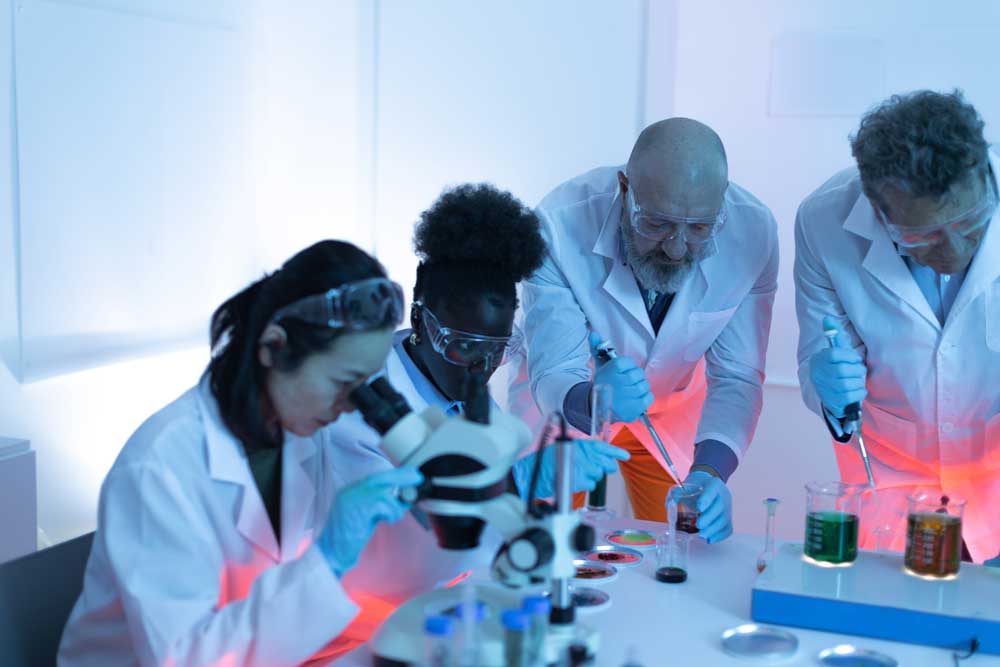
Cultured meat, also known as lab-grown or cell-based meat, represents a groundbreaking innovation in food production, where animal cells are cultivated in a controlled environment to produce meat without the need for raising and slaughtering animals. This essay argues in favour of cultured meat as a viable solution to pressing global challenges, including environmental degradation, animal welfare concerns, and food security. Drawing from perspectives in environmental science, ethics, and food technology, the discussion will explore the benefits of cultured meat while addressing potential drawbacks. The essay is structured to examine its environmental advantages, ethical implications, health benefits, and responses to common counterarguments. By evaluating evidence from peer-reviewed sources, this piece aims to demonstrate that cultured meat offers a sustainable path forward, particularly in the context of increasing global meat demand (Post, 2012). Ultimately, embracing this technology could transform food systems, though it requires careful consideration of its limitations.
Environmental Benefits
One of the strongest arguments in favour of cultured meat lies in its potential to mitigate the environmental impacts associated with conventional livestock farming. Traditional meat production is a major contributor to greenhouse gas emissions, deforestation, and water scarcity. For instance, livestock farming accounts for approximately 14.5% of global anthropogenic greenhouse gas emissions, largely due to methane from cattle and land use changes for feed production (Gerber et al., 2013). In contrast, cultured meat production could significantly reduce these emissions. A life-cycle assessment study indicates that, depending on the energy sources used, cultured meat might lower greenhouse gas emissions by up to 96% compared to conventional beef (Tuomisto and de Mattos, 2011). This is achieved through efficient cell cultivation processes that eliminate the need for vast grazing lands and feed crops, thereby preserving biodiversity and reducing habitat loss.
Furthermore, water usage presents another compelling environmental advantage. Conventional meat production is notoriously water-intensive; producing one kilogram of beef requires around 15,000 litres of water, much of it for irrigating feed crops (Mekonnen and Hoekstra, 2012). Cultured meat, however, operates in bioreactors that recycle water and nutrients, potentially using 82-96% less water (Tuomisto and de Mattos, 2011). This efficiency is particularly relevant in regions facing water shortages, such as parts of the UK and Europe, where climate change exacerbates resource strains. Indeed, as global populations grow—projected to reach 9.7 billion by 2050—sustainable food options like cultured meat become essential to avoid further environmental strain (United Nations, 2019). While some critics argue that the energy demands of lab-based production could offset these gains, advancements in renewable energy integration suggest that this hurdle is surmountable, making cultured meat a forward-thinking choice.
Ethical Advantages
From an ethical standpoint, cultured meat addresses longstanding concerns about animal welfare in industrial farming. Traditional meat production often involves practices that cause significant suffering, such as overcrowding, mutilations without anaesthesia, and inhumane slaughter methods. In the UK, for example, reports from organisations like the Farm Animal Welfare Committee highlight issues in intensive farming systems, where billions of animals are raised annually under stressful conditions (FAWC, 2011). Cultured meat eliminates these ethical dilemmas by producing meat from a small sample of animal cells, without the need for ongoing animal rearing or killing. This aligns with philosophical arguments for animal rights, as proposed by thinkers like Peter Singer, who advocate for reducing unnecessary animal suffering (Singer, 1975).
Moreover, cultured meat promotes food equity and accessibility, potentially benefiting developing regions where protein malnutrition is prevalent. By decoupling meat production from land-intensive agriculture, it could provide affordable protein sources without exploiting vulnerable ecosystems or communities. A study on the socio-economic implications suggests that scaled-up production could lower costs over time, making high-quality protein available to a broader population (Bhat et al., 2015). However, it is important to acknowledge limitations; initial production costs remain high, and ethical debates persist regarding the use of foetal bovine serum in cell cultures, though plant-based alternatives are emerging (Post, 2012). Nonetheless, the overall ethical framework supports cultured meat as a compassionate alternative, fostering a more humane food industry.
Health and Safety Considerations
Cultured meat also offers notable health and safety benefits, potentially reducing risks associated with traditional meat. Conventional farming relies on antibiotics to prevent disease in crowded conditions, contributing to antimicrobial resistance—a global health threat identified by the World Health Organization (WHO, 2015). In lab settings, cultured meat can be produced in sterile environments, minimising bacterial contamination and the need for antibiotics. This could lower the incidence of foodborne illnesses, such as those caused by Salmonella or E. coli, which affect thousands annually in the UK (Food Standards Agency, 2020).
Additionally, the controlled production process allows for nutritional enhancements, such as fortifying meat with vitamins or reducing saturated fats, addressing public health issues like obesity and heart disease. Research indicates that cultured meat could be engineered to have a healthier lipid profile, potentially decreasing the risk of cardiovascular diseases (Bhat et al., 2015). Critics might point out uncertainties in long-term health effects, but early studies show no inherent risks, and regulatory bodies like the UK’s Food Standards Agency are developing frameworks to ensure safety (Food Standards Agency, 2020). Therefore, cultured meat not only promises safer consumption but also aligns with preventive health strategies, making it a proactive solution in modern food systems.
Counterarguments and Rebuttals
Despite these advantages, opponents of cultured meat raise valid concerns, including high initial costs, consumer acceptance, and potential job losses in traditional farming sectors. For instance, the technology is currently expensive, with the first cultured burger costing over £200,000 in 2013 (Post, 2012). However, economies of scale and technological advancements are rapidly reducing costs; projections suggest that by 2030, cultured meat could be price-competitive with conventional options (Bhat et al., 2015). Regarding consumer scepticism—often rooted in perceptions of ‘unnatural’ food—education and transparent labelling can foster acceptance, as seen in surveys where environmental benefits sway opinions (Bryant and Barnett, 2018).
Another counterargument involves cultural and economic impacts on rural communities reliant on farming. While job displacement is a risk, transitioning to cultured meat could create new opportunities in biotechnology and sustainable agriculture, similar to how renewable energy sectors have offset fossil fuel declines (United Nations, 2019). Arguably, these challenges are not insurmountable; they require policy support, such as subsidies for retraining, to ensure an equitable shift. By addressing these points head-on, the case for cultured meat strengthens, as its benefits outweigh the transitional hurdles.
Conclusion
In summary, cultured meat presents compelling environmental, ethical, and health advantages that position it as a sustainable alternative to traditional meat production. By reducing emissions, alleviating animal suffering, and enhancing food safety, it addresses critical global issues amid rising demand. While challenges like cost and acceptance persist, ongoing research and innovation suggest these can be overcome, paving the way for broader adoption. The implications are profound: embracing cultured meat could contribute to achieving UN Sustainable Development Goals, particularly those related to zero hunger and climate action (United Nations, 2019). For policymakers, researchers, and consumers, supporting this technology is not just innovative but necessary for a resilient future. As debates continue, further studies will refine its potential, ensuring it meets the needs of diverse societies.
References
- Bhat, Z.F., Kumar, S. and Fayaz, H. (2015) In vitro meat production: Challenges and benefits over conventional meat production. Journal of Integrative Agriculture, 14(2), pp. 241-248.
- Bryant, C. and Barnett, J. (2018) Consumer acceptance of cultured meat: A systematic review. Meat Science, 143, pp. 8-17.
- Food Standards Agency (2020) Novel foods including cultured meat. Food Standards Agency.
- Gerber, P.J., Steinfeld, H., Henderson, B., Mottet, A., Opio, C., Dijkman, J., Falcucci, A. and Tempio, G. (2013) Tackling climate change through livestock: A global assessment of emissions and mitigation opportunities. Food and Agriculture Organization of the United Nations (FAO).
- Mekonnen, M.M. and Hoekstra, A.Y. (2012) A global assessment of the water footprint of farm animal products. Ecosystems, 15(3), pp. 401-415.
- Post, M.J. (2012) Cultured meat from stem cells: Challenges and prospects. Meat Science, 92(3), pp. 297-301.
- Singer, P. (1975) Animal liberation: A new ethics for our treatment of animals. New York: New York Review/Random House.
- Tuomisto, H.L. and de Mattos, M.J.T. (2011) Environmental impacts of cultured meat production. Environmental Science & Technology, 45(14), pp. 6117-6123.
- United Nations (2019) World population prospects 2019: Highlights. United Nations Department of Economic and Social Affairs.
- World Health Organization (2015) Global action plan on antimicrobial resistance. WHO.
(Word count: 1,248 including references)

