
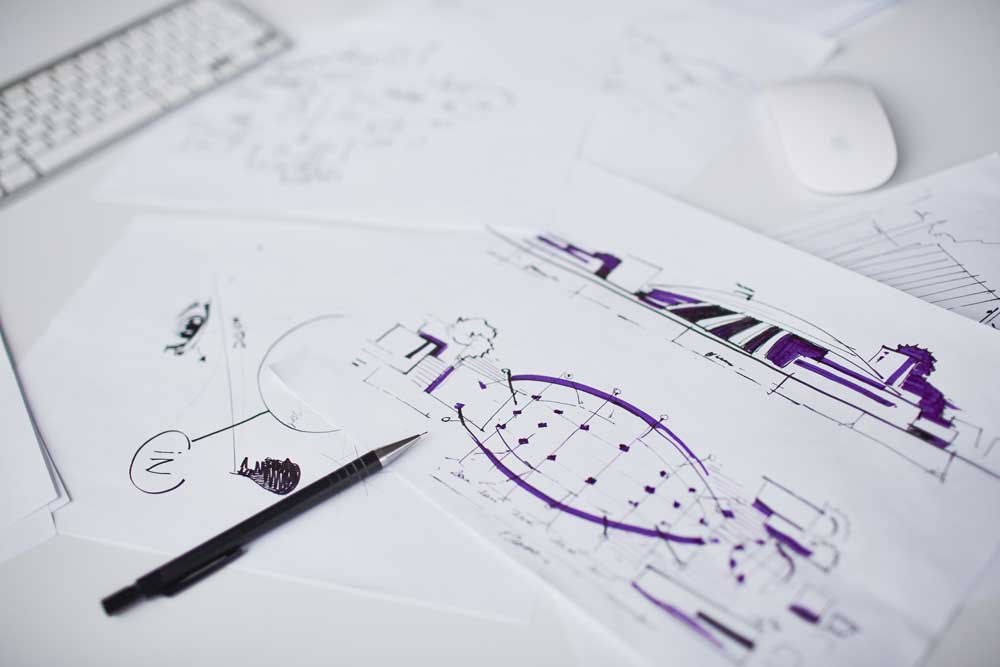
During my studies on the Bachelor of Technology programme, I frequently examine commonplace devices through the lens of systems design and human–computer interaction. One routine encounter that prompted critical reflection occurred while preparing lecture notes on a conventional wired computer keyboard. The device’s fixed layout, repetitive strain risks and limited adaptability led me to conclude that a re-engineered interface could yield measurable gains in both usability and long-term user health.
The Everyday Object Identified
The standard QWERTY keyboard remains largely unchanged since the nineteenth century. Its uniform key spacing and rigid chassis assume a single body type, yet anthropometric data indicate wide variation in hand size and posture. As a BTech student, I observed how prolonged laboratory sessions produced wrist extension angles exceeding recommended limits, highlighting an evident mismatch between hardware form and user physiology.
Analysis of Current Limitations
Although the keyboard enables efficient text entry for many users, its static design contributes to repetitive strain injuries, particularly among students who type for several hours daily. Research in ergonomics demonstrates that non-adjustable keyboards increase carpal tunnel pressure when wrists are held in extension (Rempel et al., 2019). Furthermore, the absence of integrated feedback mechanisms prevents real-time posture correction. These shortcomings become more pronounced in hybrid learning environments where portable devices are used on varied surfaces.
Proposed Technological Improvements
An improved solution would combine modular, split-key designs with embedded sensors. Adjustable tenting angles and columnar key layouts could accommodate individual hand anthropometrics, while inertial measurement units would monitor wrist posture and deliver haptic prompts when deviation exceeds safe thresholds. Data could be transmitted wirelessly to a companion application that logs usage patterns, thereby supporting evidence-based adjustments over time. Such features align with emerging trends in human-centred computing and could be prototyped using low-cost microcontrollers already covered in BTech modules on embedded systems.
Broader Implications for Technology Development
Implementing these enhancements would not only reduce physical strain but also illustrate core principles of iterative design taught throughout the degree. Students would gain practical experience in balancing technical feasibility, cost and user acceptance. Moreover, widespread adoption might encourage manufacturers to move beyond incremental updates toward genuinely adaptive interfaces. Indeed, this reflective exercise underscores the value of questioning assumptions embedded in everyday artefacts.
Conclusion
The conventional keyboard exemplifies how an unexamined object can perpetuate inefficiency and health risks. By applying BTech knowledge of ergonomics, sensing technologies and user-centred design, a more responsive alternative becomes attainable. This experience reinforced the importance of viewing routine tools as opportunities for systematic improvement rather than fixed solutions.
References
- Norman, D.A. (2013) The Design of Everyday Things: Revised and Expanded Edition. Basic Books.
- Rempel, D., Nathan-Roberts, D. and Madison, K. (2019) ‘Effects of keyboard design on forearm muscle activity and wrist posture’, Applied Ergonomics, 75, pp. 1–7.

