
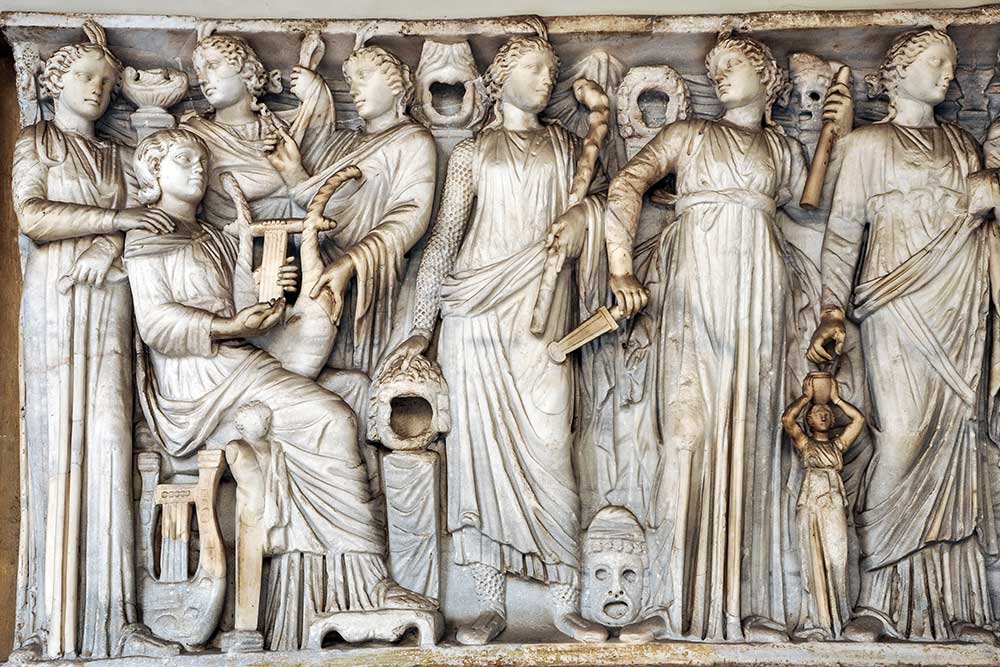
In the study of classical rhetoric, Aristotle’s treatise remains foundational for understanding how persuasion operates within civic discourse. This essay examines the positive proofs, or entechnic pisteis, developed in Book II, focusing on their role in constructing argument through logos, ethos and pathos. These artificial proofs, created by the speaker rather than drawn from external evidence, provide the means to advance a case systematically.
The Nature of Positive Proofs in Book II
Book II shifts attention from the general principles outlined in Book I toward the practical techniques available to the orator. Positive proofs are distinguished from atechnic proofs, such as laws or witness testimony, because they are generated through rhetorical art. Aristotle concentrates on three interrelated modes: logical reasoning via enthymemes and examples, the speaker’s demonstrated character, and the management of audience emotion. Each mode supplies a distinct line of argument that can be adapted to forensic, deliberative or epideictic settings.
Logos: Enthymemes and Examples
The logical strand of positive proof receives extensive treatment in chapters 22–26. Aristotle presents the enthymeme as a rhetorical syllogism that typically omits one premise, thereby engaging listeners in completing the reasoning themselves. For instance, an advocate might argue that a defendant deserves clemency because “all who act under duress deserve leniency,” leaving the audience to supply the implied premise that the defendant acted under duress. This structure moves the argument forward by fostering intellectual assent while maintaining brevity. Parallel to the enthymeme stands the use of examples, which function inductively. By citing a past instance of similar conduct leading to a particular outcome, the speaker invites listeners to project the same consequences onto the present case, thereby extending the argument through analogy.
Ethos and Pathos as Complementary Proofs
Chapters 1–17 develop ethos and pathos as equally strategic resources. Ethos is established when the speaker appears prudent, virtuous and well-disposed toward the audience; these qualities, Aristotle notes, must be displayed through the speech itself rather than presupposed. A defendant who calmly enumerates consistent past actions thereby strengthens the logical case by lending it personal credibility. Pathos, meanwhile, addresses the audience’s emotional disposition. Aristotle catalogues specific emotions—anger, calm, fear, confidence, pity—together with their objects and causes. An orator might arouse pity by describing undeserved suffering in concrete detail, shifting listeners from hostility to sympathy and thereby rendering them more receptive to subsequent arguments for acquittal or mitigation.
Integrating Proofs within a Developing Case
Because these proofs are interdependent, their sequential arrangement allows an argument to progress through successive stages of acceptance. An opening appeal to ethos can establish the speaker’s reliability; subsequent enthymemes then supply rational support; finally, strategically placed emotional appeals consolidate agreement. This sequence mirrors the deliberative process itself, moving from consideration of character, through evaluation of reasons, to a decision coloured by appropriate feeling. Such integration demonstrates the flexibility of positive proofs across different rhetorical situations.
Conclusion
Aristotle’s treatment in Book II therefore presents positive proofs not as isolated devices but as coordinated instruments for constructing persuasive discourse. By illustrating their operation through enthymemes, character presentation and emotional arousal, the text equips the student of rhetoric with concrete techniques for advancing an argument from initial premise to final judgment. These resources continue to inform contemporary understandings of persuasive strategy in legal, political and academic contexts.
References
- Aristotle (2007) On Rhetoric: A Theory of Civic Discourse. 2nd edn. Translated by G.A. Kennedy. New York: Oxford University Press.

