
Introduction
In the field of sociology, tensions between established norms and progressive changes often shape societal dynamics, influencing everything from individual identities to collective institutions. This essay explores the interconnected tensions outlined in the title—orthodoxy versus reform, faith versus rationality, and customs versus constitutional rights—from a sociological perspective. Drawing on key theories and empirical examples, it examines how these tensions manifest in modern societies, particularly in the context of globalisation, secularisation, and human rights discourses. The purpose is to demonstrate how these conflicts reflect broader processes of social change, while highlighting their implications for social cohesion and inequality. The discussion will proceed through three main sections, each addressing one pair of tensions, supported by evidence from sociological literature. Ultimately, this analysis underscores the ongoing negotiation between tradition and modernity in contemporary sociology.
Orthodoxy and Reform
Orthodoxy, often rooted in traditional religious or cultural doctrines, represents a commitment to established beliefs and practices that provide social stability. In contrast, reform seeks to adapt or challenge these structures to address evolving societal needs, such as gender equality or economic modernisation. Sociologically, this tension can be understood through the lens of functionalism, where orthodoxy serves to maintain social order, yet reform is necessary for adaptation (Parsons, 1951). However, critics argue that rigid orthodoxy can stifle progress, leading to social conflicts.
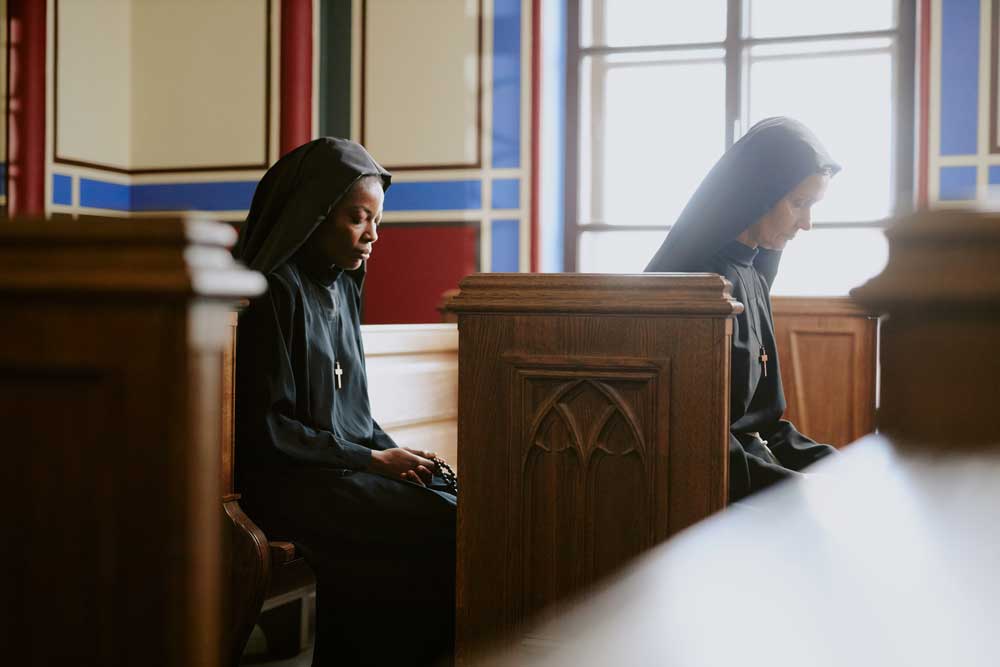
A prominent example is the tension within religious institutions, such as the Catholic Church’s historical resistance to reforms like those proposed during the Second Vatican Council (1962-1965). Sociologists like Greeley (2004) have analysed how this council attempted to bridge orthodoxy with modern reforms, introducing changes in liturgy and ecumenism to make the Church more relevant in a secularising world. Despite these efforts, tensions persist; for instance, debates over women’s ordination highlight ongoing struggles between traditional doctrines and calls for gender equity. Greeley’s work suggests that such reforms are not merely theological but sociological, reflecting broader shifts in power dynamics within religious communities.
Furthermore, in non-Western contexts, orthodoxy and reform intersect with colonialism and globalisation. In India, the caste system’s orthodox foundations have faced reformist challenges through affirmative action policies, as discussed by Beteille (1996). These reforms aim to dismantle hierarchical customs, yet they encounter resistance from those who view them as threats to cultural identity. This illustrates a key sociological point: reform often provokes backlash, reinforcing group boundaries and sometimes exacerbating inequalities. Arguably, while orthodoxy provides a sense of continuity, unchecked adherence can hinder social mobility, particularly for marginalised groups. Therefore, sociological analysis reveals that the balance between orthodoxy and reform is crucial for societal evolution, though it requires careful navigation to avoid alienating stakeholders.
Faith and Rationality
The tension between faith and rationality embodies the clash between religious belief systems and scientific, enlightenment-based reasoning. From a sociological viewpoint, this conflict traces back to Weber’s (1905) concept of the “disenchantment of the world,” where rationalisation erodes the mystical elements of faith, leading to secularisation. Weber argued that modernity’s emphasis on bureaucracy and science diminishes the role of religion, yet faith persists as a source of meaning and community.
In contemporary society, this tension is evident in debates over evolution versus creationism in education systems. For example, in the United States, court cases like the Scopes Trial (1925) and more recent disputes highlight how faith-based groups resist rational scientific curricula, viewing them as assaults on religious orthodoxy (Larson, 1997). Sociologically, this reflects Durkheim’s (1912) idea of religion as a collective representation that binds communities, even as rationality promotes individualism and empirical evidence. However, rationality is not always triumphant; indeed, in times of crisis, such as the COVID-19 pandemic, faith communities have sometimes rejected scientific rationales for vaccines, leading to public health challenges (ONS, 2021).
Moreover, globalisation intensifies this tension by exposing diverse faith traditions to rational critiques. In the UK, multiculturalism has brought Islamic faith practices into dialogue with secular rationality, as seen in discussions around faith schools. Research by Modood (2007) evaluates how these institutions navigate rationality in curricula while preserving religious faith, often resulting in hybrid identities. This suggests a limited critical approach in sociology, where faith and rationality are not mutually exclusive but can coexist through accommodation. Typically, such tensions reveal power imbalances; rationality, often aligned with Western hegemony, can marginalise non-rational belief systems, contributing to cultural alienation. Thus, sociological inquiry must consider how these dynamics influence social integration, particularly in diverse societies.
Customs and Constitutional Rights
Customs, as ingrained cultural practices, often conflict with constitutional rights, which enshrine individual freedoms and equality under the law. Sociologically, this tension aligns with conflict theory, where customs may perpetuate inequalities that constitutional frameworks seek to redress (Collins, 1975). For instance, customs rooted in patriarchy can clash with rights to gender equality, as protected in documents like the Universal Declaration of Human Rights (1948).
A clear illustration is the practice of female genital mutilation (FGM) in some African and Middle Eastern communities, where cultural customs view it as a rite of passage, yet it violates constitutional rights to bodily integrity. The UK’s Female Genital Mutilation Act 2003 exemplifies legislative efforts to prioritise rights over customs, supported by reports from the Home Office (2016). Sociologists like Walley (1997) critique Western interventions as cultural imperialism, arguing that they overlook the social functions of such customs in providing identity and belonging. This highlights a key limitation: while constitutional rights promote universality, they can ignore contextual nuances, leading to resistance.
In addition, indigenous customs often tension with constitutional rights in settler-colonial states. In Australia, Aboriginal customs of land stewardship conflict with property rights under the constitution, as analysed by Moreton-Robinson (2003). Legal reforms, such as native title recognitions, attempt to reconcile these, but they frequently fall short, perpetuating dispossession. Generally, this tension underscores sociology’s role in evaluating how power structures favour dominant groups, with customs serving as tools of resistance for minorities. Problem-solving in this area involves drawing on multidisciplinary resources, such as anthropology and law, to foster dialogues that respect both customs and rights. Therefore, the interplay reveals the need for inclusive policies that mitigate conflicts without erasing cultural diversity.
Conclusion
This essay has examined the sociological tensions between orthodoxy and reform, faith and rationality, and customs and constitutional rights, illustrating their roles in shaping social change and conflict. Through examples like religious reforms, evolution debates, and cultural practices versus legal protections, it is evident that these tensions reflect broader processes of modernisation and globalisation. While orthodoxy, faith, and customs provide stability and identity, reform, rationality, and rights drive progress and equity, often at the cost of friction. The implications are significant: unresolved tensions can exacerbate inequalities and social divisions, yet they also offer opportunities for hybrid solutions that enhance cohesion. In studying sociology, recognising these dynamics encourages a nuanced understanding of society, urging further research into adaptive mechanisms for harmonious integration. Ultimately, these tensions highlight the fluid nature of social structures, where balance is key to sustainable development.
References
- Beteille, A. (1996) Caste, class, and power: Changing patterns of stratification in a Tanjore village. Oxford University Press.
- Collins, R. (1975) Conflict sociology: Toward an explanatory science. Academic Press.
- Durkheim, E. (1912) The elementary forms of the religious life. George Allen & Unwin.
- Greeley, A. (2004) The Catholic revolution: New wine, old wineskins, and the Second Vatican Council. University of California Press.
- Home Office (2016) Female genital mutilation: Resource pack. UK Government.
- Larson, E. J. (1997) Summer for the gods: The Scopes trial and America’s continuing debate over science and religion. Basic Books.
- Modood, T. (2007) Multiculturalism: A civic idea. Polity Press.
- Moreton-Robinson, A. (2003) I still call Australia home: Indigenous belonging and place in a white postcolonizing society. In: Ahmed, S. et al. (eds.) Uprootings/regroundings: Questions of home and migration. Berg Publishers.
- Office for National Statistics (ONS) (2021) Coronavirus (COVID-19) vaccination uptake in at-risk groups. UK Government.
- Parsons, T. (1951) The social system. Free Press.
- Walley, C. J. (1997) Searching for “voices”: Feminism, anthropology, and the global debate over female genital operations. Cultural Anthropology, 12(3), pp. 405-438.
- Weber, M. (1905) The Protestant ethic and the spirit of capitalism. Routledge.

