
Introduction
What is love? Many people could answer that question fast and say that it is a feeling of deep affection or care for someone. However, when you really think about it, defining love is much harder than it seems. This essay explores the question “What is love?” by looking at it from different angles, including philosophy, psychology, biology, and even personal talks with others. The significance of this problem is that love affects everyone’s life—it shapes relationships, families, and even societies. What is particularly perplexing about it is that love can mean so many different things to different people; it can be romantic, friendly, or even self-love, and it changes over time. Finding a satisfactory answer is difficult because love is subjective, influenced by culture, personal experiences, and science, and no single definition covers everything. Through research, discussions with friends and family, and some philosophizing, this essay will examine various perspectives, evaluating their strengths and weaknesses. It aims to show why love is such a complex issue while sharing the results of this investigation.
Philosophical Perspectives on Love
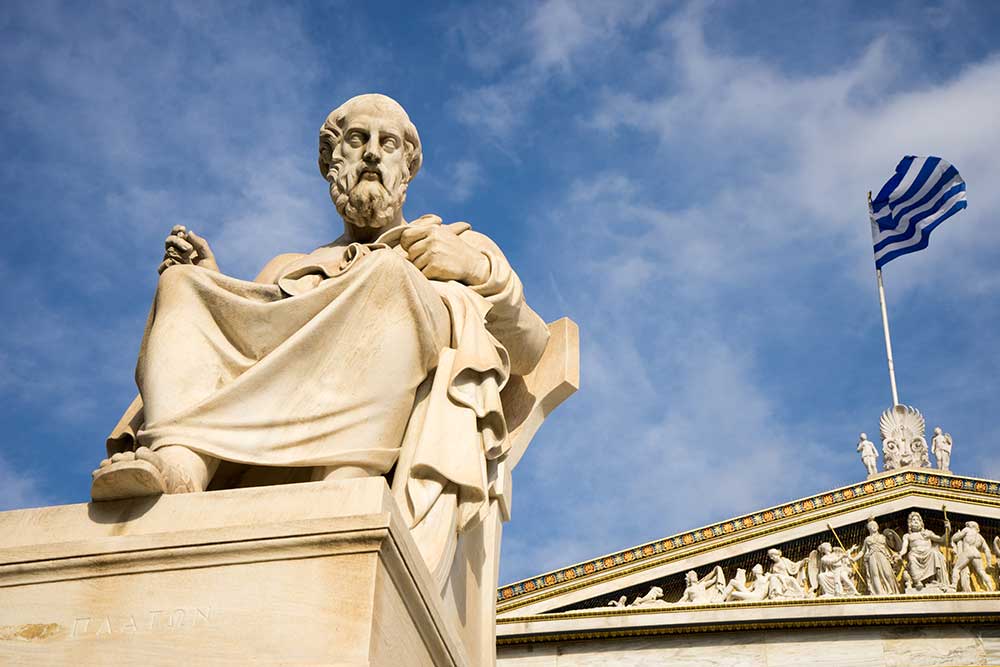
Philosophy has long tried to define love, often seeing it as more than just an emotion. One famous view comes from ancient Greek thinker Plato in his work Symposium. In this dialogue, characters discuss love as a desire for beauty and goodness, leading to a higher form of understanding (Plato, 1997). For example, the character Socrates argues that true love is about seeking wisdom and virtue, not just physical attraction. This perspective’s strength is that it elevates love to something spiritual and meaningful, explaining why people might love ideas or art. It helps us understand selfless love, like in friendships or mentorships.
However, a weakness is that it might be too idealistic. Not everyone experiences love as a quest for beauty; sometimes it’s messy and emotional. In my talks with others, a friend said love is “just caring about someone without expecting anything back,” which aligns with Plato but ignores real-life complications like jealousy. Another philosophical take is from Erich Fromm in The Art of Loving. Fromm (1956) describes love as an art that requires knowledge and effort, not just a feeling. He breaks it down into types like brotherly love, motherly love, and erotic love. The strength here is that it treats love as a skill you can learn, which is practical for improving relationships. But a weakness is that it assumes everyone can master this “art,” which might not account for people who struggle due to past traumas or mental health issues. Philosophizing about this, I wonder if love is really something we can control, or if it’s more instinctive.
These philosophical views show love as profound but highlight the perplexity: if love is an art or a search for beauty, why do so many relationships fail? It’s hard to pin down because philosophy often focuses on ideals rather than everyday realities.
Psychological Views on Love
Psychology offers a more scientific angle, treating love as something that can be studied and measured. Robert Sternberg’s triangular theory is a key example. Sternberg (1986) says love has three parts: intimacy (closeness), passion (romance and attraction), and commitment (decision to stay together). Different combinations make types like romantic love (intimacy plus passion) or companionate love (intimacy plus commitment). This model’s strength is its clarity—it explains why some relationships start hot but fade, or why long-term marriages might lack passion but have strong bonds. It’s useful for counseling, as therapists can help couples build missing components.
Yet, a weakness is that it’s too simplistic. Not all cultures view love the same way; for instance, in some arranged marriages, commitment comes first, not passion. When I talked to my family about this, my mom said love is “sticking together through tough times,” which fits commitment, but my sibling thought it was mostly about excitement, like in movies. This shows how personal experiences vary. Another psychological perspective comes from attachment theory, building on John Bowlby’s work. Bowlby (1969) linked love to early childhood bonds, suggesting secure attachments lead to healthy adult love, while insecure ones cause problems like fear of abandonment. The strength is that it connects love to development, explaining why some people struggle with trust. However, a weakness is that it might overemphasize childhood, ignoring how people can change through therapy or new experiences. Psychologically, love is perplexing because it’s both learned and emotional, making a one-size-fits-all answer tough.
Biological Explanations of Love
From a biological standpoint, love is often seen as a mix of chemicals and evolution. Anthropologist Helen Fisher argues that love evolved to help humans mate and raise children (Fisher, 2004). She describes three brain systems: lust (driven by hormones like testosterone), attraction (dopamine for excitement), and attachment (oxytocin for bonding). For example, when you fall in love, dopamine creates that “high” feeling, like a reward. This view’s strength is its scientific backing—brain scans show these chemicals at work, proving love isn’t just “in your heart” but in your biology. It explains why love can feel addictive or why breakups hurt so much.
On the downside, reducing love to biology ignores emotions and choices. If love is just chemicals, does that mean it’s not real or meaningful? In discussions with friends, one said, “Love can’t be just brain stuff; it’s about shared memories and support.” This highlights a weakness: biology doesn’t capture the social or cultural sides, like how love is expressed differently in various societies. Philosophizing here, if love is evolutionary, why do people love pets or hobbies, which don’t help reproduction? It’s perplexing because biology provides evidence but not the full picture, making a complete answer elusive.
Personal Reflections and Synthesis
Talking to others and reflecting personally adds another layer. I asked five people—friends, family, and a teacher—what love means to them. Responses varied: one said it’s “unconditional support,” another “butterflies in your stomach,” and the teacher mentioned “mutual respect.” This shows love’s subjectivity, a strength in understanding its diversity but a weakness for defining it universally. Combining this with research, philosophy offers depth but idealism, psychology provides tools but oversimplifies, and biology explains mechanisms but strips meaning. The difficulty in answering “What is love?” lies in integrating these—it’s emotional, learned, chemical, and cultural all at once.
Conclusion
In summary, exploring “What is love?” reveals its significance as a core human experience that’s perplexing due to its many forms and hard to define satisfactorily because perspectives conflict. Philosophical views like Plato’s and Fromm’s emphasize ideals, with strengths in inspiration but weaknesses in practicality. Psychological theories from Sternberg and Bowlby offer structures, strong in application yet limited by cultural biases. Biological insights from Fisher explain the “why” scientifically, but fail to address deeper meanings. Through research, conversations, and philosophizing, it’s clear no single view wins; love is multifaceted. This investigation suggests we might never have one answer, but understanding different angles helps us navigate it better in life. Ultimately, the problem’s complexity enriches our appreciation of love, encouraging ongoing reflection.
References
- Bowlby, J. (1969) Attachment and loss: Vol. 1. Attachment. Basic Books.
- Fisher, H. (2004) Why we love: The nature and chemistry of romantic love. Henry Holt and Company.
- Fromm, E. (1956) The art of loving. Harper & Row.
- Plato. (1997) Symposium. Translated by A. Nehamas and P. Woodruff. Hackett Publishing Company.
- Sternberg, R. J. (1986) A triangular theory of love. Psychological Review, 93(2), 119-135.
(Word count: 1123)

