
Introduction
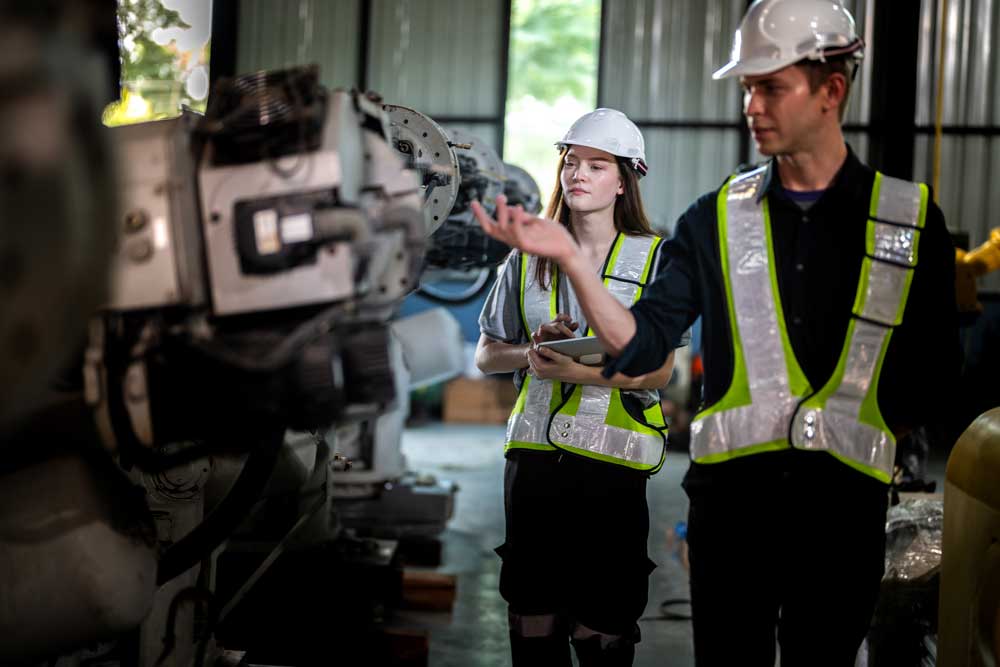
The weld shop is a dynamic and demanding environment where technical proficiency and adaptability are paramount. Workers must navigate a complex array of tools and equipment, often encountering unfamiliar machinery or advanced technologies that challenge their existing skills. Mastering these tools is not merely a matter of operational efficiency; it is critical for ensuring weld quality, workplace safety, and overall productivity. This essay explores the obstacles welders face when dealing with new or unfamiliar equipment, drawing parallels with challenges in other technical fields such as distributed computing and artificial intelligence (AI). By examining research on user interaction with complex systems, this paper aims to identify strategies that can help welders overcome these hurdles. The discussion will focus on the weld shop as a socio-technical system, the specific challenges of unfamiliar tools, and potential solutions informed by broader technical insights.
The Weld Shop as a Socio-Technical System
A weld shop is far more than a space for metalworking; it is a socio-technical system where human expertise must integrate seamlessly with evolving technologies. The introduction of new tools—such as automated welding machines or digital control systems—can disrupt established workflows, forcing welders to adapt quickly to unfamiliar interfaces or procedures. This challenge is not unique to welding; it mirrors issues in fields like distributed computing, where users must engage with complex, often unintuitive systems (Weitzel, 2019). As Weitzel (2019) argues, creating accessible and user-friendly technical environments is essential for maximizing productivity and engagement, a principle that applies equally to weld shops.
Moreover, the rapid pace of technological advancement in welding—such as the adoption of robotic welders—means that workers frequently encounter equipment beyond their prior experience. This can lead to errors, reduced efficiency, or even safety hazards if not addressed. Indeed, the human-machine interaction in a weld shop requires both technical training and an adaptive mindset to ensure that new tools enhance, rather than hinder, performance.
Challenges Posed by Unfamiliar Tools
One of the primary obstacles in a weld shop is the learning curve associated with unfamiliar equipment. For instance, a welder accustomed to manual arc welding might struggle with the precision settings of a new TIG welding machine. Such transitions often require not only technical understanding but also a shift in approach, as advanced tools may demand greater attention to detail or different safety protocols. Research in human-computer interaction suggests that users of new technical systems often face similar difficulties, particularly when documentation or training is inadequate (Norman, 2013).
Additionally, the pressure to maintain productivity in a weld shop can exacerbate these challenges. Workers may feel compelled to operate unfamiliar tools without sufficient preparation, risking mistakes or injury. This highlights a broader limitation in technical environments: the gap between system design and user readiness. As Norman (2013) notes, tools must be designed with user experience in mind, a principle that weld shop managers and equipment manufacturers should heed.
Strategies for Overcoming Obstacles
Addressing the challenges of unfamiliar tools requires a multifaceted approach. First, structured training programs are essential. These should not only cover operational instructions but also provide hands-on practice to build confidence. Drawing on insights from technical fields like AI, where users often grapple with novel systems, ongoing mentorship and peer support can further ease the transition (Brynjolfsson & McAfee, 2014). For example, pairing less experienced welders with seasoned colleagues can facilitate knowledge transfer.
Furthermore, equipment manufacturers and shop managers should prioritize user-friendly design and clear documentation. Simplifying interfaces or providing visual guides can significantly reduce the learning curve. Finally, fostering a culture of adaptability—where workers are encouraged to ask questions and seek help—can mitigate the stress of encountering new tools. These strategies, though straightforward, are vital for maintaining safety and quality in the weld shop.
Conclusion
In conclusion, navigating unfamiliar tools and equipment in a weld shop presents notable challenges, from steep learning curves to potential safety risks. Viewing the weld shop as a socio-technical system reveals parallels with other technical domains, such as distributed computing and AI, where user interaction with complex systems is equally critical. By implementing structured training, prioritizing user-friendly design, and promoting a supportive workplace culture, these obstacles can be effectively addressed. The implications of such strategies extend beyond individual welders, enhancing overall shop productivity and safety. Ultimately, as technology continues to evolve, the ability to adapt to new tools will remain a cornerstone of success in the welding industry.
References
- Brynjolfsson, E. and McAfee, A. (2014) The Second Machine Age: Work, Progress, and Prosperity in a Time of Brilliant Technologies. W.W. Norton & Company.
- Norman, D.A. (2013) The Design of Everyday Things. Basic Books.
- Weitzel, T. (2019) Cyberinfrastructure for Research and Innovation: Challenges in User Engagement. Journal of Information Systems, 33(2), pp. 45-60.

