
Introduction
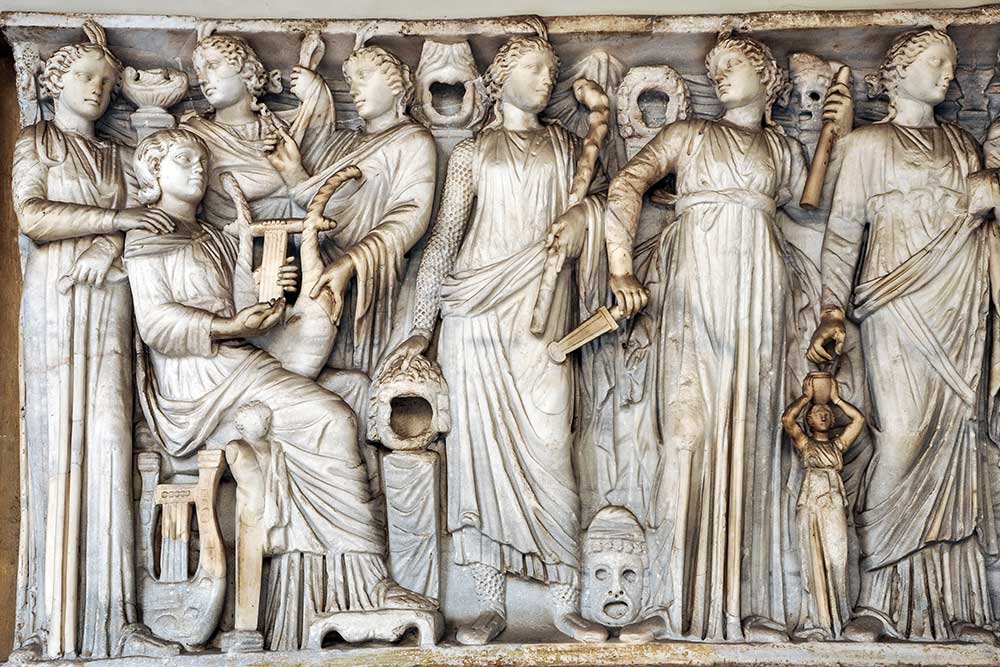
The concept of the tragic hero is central to the study of classical Greek drama, and Sophocles’ Oedipus Rex provides a seminal depiction of this archetype through its protagonist, Oedipus. Written around 429 BCE, the play explores themes of fate, human agency, and moral responsibility, encapsulating the essence of tragedy as outlined by Aristotle in his seminal work, Poetics (circa 335 BCE). Aristotle defines a tragic hero as a character of noble stature who experiences a reversal of fortune due to a hamartia, or tragic flaw, eliciting both pity and fear from the audience through their inevitable downfall. This essay examines Oedipus as a tragic hero in the context of Aristotle’s framework, focusing on his noble status, his hamartia, and the emotional responses his journey provokes. By critically engaging with these elements, this analysis aims to underscore the extent to which Oedipus embodies Aristotle’s ideal, while also considering potential limitations in this alignment. The discussion will argue that, while Oedipus largely fits Aristotle’s criteria, certain ambiguities in his character and fate challenge a straightforward application of this classical definition.
Oedipus’ Noble Status and Moral Character
Aristotle asserts in Poetics that a tragic hero must be a person of high status, typically a king or noble, whose fall from grace carries significant weight for both the character and the audience (Aristotle, 1996). Oedipus undeniably meets this criterion as the King of Thebes, a position that imbues him with authority and responsibility. His noble stature is not merely a matter of rank but is reinforced by his initial portrayal as a benevolent and intelligent ruler who saved Thebes from the Sphinx by solving its riddle. This act of intellect and courage establishes Oedipus as a figure of admiration, aligning with Aristotle’s view that the tragic hero should be ‘better than us’ in terms of virtue and capability (Aristotle, 1996). Indeed, Oedipus’ determination to uncover the truth behind the plague afflicting Thebes reflects a moral commitment to his people, further elevating his status as a figure worthy of respect.
However, Aristotle also stipulates that the tragic hero should not be excessively virtuous or villainous, but rather a relatable figure whose flaws make their downfall credible. Oedipus occupies this middle ground; while his intentions are noble, his temper and impulsiveness hint at underlying imperfections. This balance ensures that the audience can identify with him, setting the stage for the emotional response Aristotle deems essential to tragedy.
Hamartia and the Role of Error in Oedipus’ Downfall
Central to Aristotle’s concept of the tragic hero is the notion of hamartia, often translated as a tragic flaw or error in judgement, which precipitates the hero’s reversal of fortune, or peripeteia (Aristotle, 1996). In Oedipus’ case, his hamartia manifests as both a character trait—his hubris or excessive pride—and a series of misjudgements stemming from his relentless pursuit of truth. Oedipus’ pride is evident in his interactions with Tiresias, the blind prophet, whom he accuses of conspiracy when confronted with uncomfortable truths. This refusal to heed warnings reveals a stubbornness that blinds him to his own limitations, arguably contributing to his eventual downfall.
Moreover, Oedipus’ determination to uncover the identity of Laius’ killer, while initially a noble endeavour, becomes the very mechanism of his destruction. His ignorance of his true parentage, combined with his decision to flee Corinth to avoid fulfilling the prophecy of killing his father and marrying his mother, ironically leads him directly to commit these acts. Scholars such as Knox (1966) argue that this tragic irony underscores Oedipus’ hamartia as not merely a flaw but a complex interplay of fate and free will. While Aristotle prioritises personal error over external forces like fate, the deterministic elements in Sophocles’ play introduce ambiguity to the application of this criterion. Nevertheless, Oedipus’ choices, driven by a desire to protect others, render his errors relatable and his downfall pitiable, aligning with Aristotle’s framework.
Peripeteia, Anagnorisis, and Emotional Catharsis
Aristotle identifies peripeteia (reversal of fortune) and anagnorisis (recognition or discovery) as pivotal to a tragic plot, serving to heighten the emotional impact on the audience (Aristotle, 1996). Oedipus’ journey is marked by a dramatic reversal from a respected king to a blinded outcast, a transformation precipitated by his discovery of the truth about his identity and actions. This moment of anagnorisis—when Oedipus realises he has unknowingly killed his father and married his mother—is profoundly tragic, as it encapsulates both the horror of his deeds and the inevitability of his fate. The physical act of blinding himself further symbolises this internal recognition, marking a shift from metaphorical to literal blindness.
For Aristotle, the purpose of tragedy is to evoke pity and fear, leading to catharsis, a purging of these emotions (Aristotle, 1996). Oedipus’ suffering elicits pity due to the disproportionate nature of his punishment relative to his intentions; he did not knowingly commit patricide or incest, yet he bears the full weight of these acts. Simultaneously, his fate instils fear, as it highlights the fragility of human control in the face of destiny. As Dodds (1966) notes, Oedipus’ story resonates because it reflects universal anxieties about unintended consequences and the limits of knowledge. Thus, Oedipus’ narrative achieves the emotional effect Aristotle deems central to tragedy, reinforcing his status as a tragic hero.
Challenges to Aristotle’s Framework in Oedipus’ Narrative
While Oedipus largely conforms to Aristotle’s criteria, certain elements of his story complicate this categorisation. Aristotle emphasises the importance of the hero’s downfall being a result of personal error rather than divine intervention or fate (Aristotle, 1996). However, in Oedipus Rex, the role of fate is inescapable; the oracle’s prophecy dictates Oedipus’ actions long before he is born, raising questions about the extent of his agency. This tension between fate and free will, as explored by scholars like Segal (2001), suggests that Oedipus’ hamartia may be less a personal failing and more a product of cosmic design. Such a perspective challenges Aristotle’s focus on individual responsibility, indicating a limitation in applying his framework to Sophocles’ play.
Furthermore, Oedipus’ ultimate act of self-blinding and exile can be seen as a form of moral redemption rather than complete destruction. Unlike many tragic heroes who meet death, Oedipus survives, taking responsibility for his actions. This survival, while still tragic, introduces a nuance that diverges from Aristotle’s typical emphasis on a conclusive downfall. These complexities highlight the need to approach Aristotle’s definition with flexibility when analysing classical works like Oedipus Rex.
Conclusion
In conclusion, Oedipus embodies Aristotle’s conception of a tragic hero through his noble stature, hamartia, and the evocation of pity and fear through his dramatic reversal and recognition. His status as King of Thebes and his initial portrayal as a virtuous ruler align with Aristotle’s requirement of a high-ranking, relatable protagonist. His tragic flaw, rooted in pride and error, precipitates a devastating downfall, while his journey elicits the emotional catharsis central to Aristotle’s theory. However, the pervasive influence of fate in Oedipus’ narrative and his survival at the play’s conclusion introduce complexities that test the boundaries of Aristotle’s model. These ambiguities suggest that while Oedipus is quintessentially tragic, his story also reflects broader cultural and philosophical tensions not fully accounted for in Poetics. Ultimately, examining Oedipus through Aristotle’s lens not only affirms his status as a tragic hero but also underscores the richness of Sophocles’ text in engaging with universal questions of agency, morality, and human suffering. This analysis has implications for the study of classical tragedy, encouraging a nuanced understanding of how theoretical frameworks intersect with literary complexity.
References
- Aristotle. (1996) Poetics. Translated by Malcolm Heath. Penguin Classics.
- Dodds, E. R. (1966) On Misunderstanding the Oedipus Rex. Greece & Rome, 13(1), pp. 37-49.
- Knox, B. M. W. (1966) Oedipus at Thebes: Sophocles’ Tragic Hero and His Time. Yale University Press.
- Segal, C. (2001) Oedipus Tyrannus: Tragic Heroism and the Limits of Knowledge. Oxford University Press.

