
Introduction
The conventional perception of art often confines it to traditional spaces such as museums, galleries, or concert halls, where it is viewed as the product of skilled professionals creating paintings, sculptures, or symphonies. However, this perspective is arguably narrow, overlooking the pervasive role of art in daily life as an expression of imagination and creativity. This essay, written from the viewpoint of an English studies undergraduate exploring literary and cultural theories of aesthetics, argues that art extends far beyond elite institutions. It permeates everyday activities, shapes perceptions, facilitates emotional expression, fosters human connections, and requires intentional creativity rather than mere existence. Drawing on key thinkers in aesthetics and cultural theory, the discussion will demonstrate how redefining art in this broader sense enriches individual and societal understanding. By examining these aspects, the essay highlights art’s transformative potential, supported by evidence from academic sources, while acknowledging limitations in applying such a wide definition.
Art in Everyday Objects and Activities
A fundamental reason to broaden the concept of art lies in its presence within routine objects and activities, which are often dismissed as merely functional. For instance, street art such as murals on urban buildings or the thoughtful layout of a community garden can embody artistic intent, transforming ordinary spaces into sources of visual and emotional engagement. Similarly, decorating a cake or arranging flowers in a vase involves aesthetic choices that go beyond utility, reflecting creativity in design and composition. These examples illustrate how art emerges from everyday actions, where individuals apply imagination to enhance appearance and evoke responses.
This perspective aligns with John Dewey’s influential ideas in aesthetics, who argued that art is not isolated from life but integrated into experiential processes. Dewey (1934) posits that aesthetic experiences arise from interactions with the environment, where even mundane tasks like cooking or interior decoration can yield artistic value if they involve harmonious organisation and expressive intent. For example, posting curated images on social media platforms can be seen as a modern form of self-expression, akin to composing a visual narrative. However, this view has limitations; not all daily activities qualify as art without deliberate creativity, as Dewey himself cautions against conflating mere habit with aesthetic experience.
Furthermore, cultural studies extend this to contemporary contexts. In urban environments, graffiti artists like Banksy demonstrate how public spaces become canvases for commentary, blending art with social critique (Thompson, 2015). Such instances challenge the elitist notion that art belongs solely in museums, suggesting instead that it democratises creativity. By recognising these elements, individuals avoid missing the “cool things” people create daily, as the narrow view risks undervaluing grassroots expressions. This broader lens, therefore, promotes inclusivity, though it requires discernment to avoid diluting art’s significance.
The Role of Perception in Defining Art
Art is not solely defined by its physical form but by how it is perceived and interpreted, transforming ordinary or even discarded items into meaningful works. A pile of scrap metal might be viewed as waste by one person but as a sculpture by another, depending on the observer’s imaginative lens. This perceptual dimension underscores that art resides in the interplay between object and viewer, where context and mindset elevate the mundane.
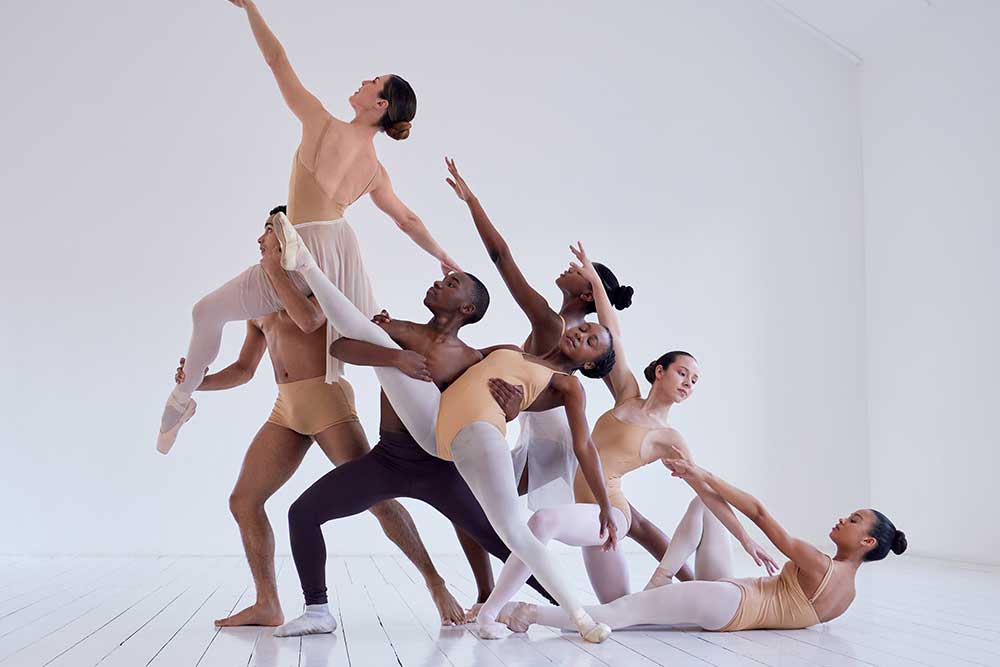
Literary and philosophical theories support this idea. In aesthetics, the concept of “art as interpretation” draws from thinkers like Arthur Danto, who emphasised that art status depends on cultural and perceptual frameworks rather than inherent qualities (Danto, 1981). For instance, a street scene could be photographed and framed as a poignant image, much like how filmmakers use light and movement to craft narratives, or dancers employ motion to convey symbolism. Musicians, too, manipulate sounds to evoke moods, illustrating art’s fluidity across forms.
Indeed, this approach reveals art’s subjective nature; what appears broken or old can gain artistic value through creative reimagining. However, critics argue this risks relativism, where anything might be deemed art without standards (Eagleton, 1990). Nonetheless, perception encourages active engagement, fostering innovation in everyday life. English studies often explore this through narrative theory, where texts like Virginia Woolf’s stream-of-consciousness works show how perception shapes reality, paralleling visual arts. Thus, art becomes a dynamic process of seeing and reinterpreting the world.
Art as a Means of Emotional Expression
One of art’s most profound attributes is its capacity to articulate complex emotions that elude verbal description, offering a medium for feelings too intricate or intense for words alone. A melancholic painting might convey loneliness more viscerally than prose, while a wordless piece of music can evoke tears by tapping into subconscious responses. This expressive power positions art as a complement to language, enabling deeper emotional exploration.
Theoretical frameworks in aesthetics reinforce this. Susanne Langer’s philosophy of art describes it as a “symbolic form” that presents feelings in non-discursive ways, allowing for the expression of ineffable experiences (Langer, 1953). For example, a song’s melody can induce sadness or joy instinctively, bypassing rational explanation. In literature, poets like T.S. Eliot used fragmented imagery in works such as “The Waste Land” to capture post-war disillusionment, demonstrating art’s role in processing trauma.
However, this function is not without challenges; emotional expression can be culturally specific, limiting universal accessibility (Shusterman, 1992). Despite this, art’s ability to “help us feel things” rather than merely discuss them makes it invaluable for personal catharsis. In everyday scenarios, such as doodling during stress or crafting a heartfelt letter, individuals harness this power informally. Therefore, expanding art’s definition acknowledges its therapeutic potential, aligning with broader cultural narratives in English studies.
Art’s Role in Fostering Human Connections
Beyond individual expression, art serves as a bridge across diverse backgrounds, facilitating shared understanding without requiring common language or origins. A universally resonant painting or song can evoke similar emotions in viewers from different cultures, promoting empathy and unity.
This connective aspect is evident in global cultural exchanges. For instance, music festivals or international art exhibitions demonstrate how art transcends borders, as theorised by Homi Bhabha in discussions of hybridity and cultural dialogue (Bhabha, 1994). A viewer might connect with an artwork’s depicted isolation, mirroring the artist’s intent, even without knowing their backstory. This shared emotional resonance strengthens social bonds, countering isolation in modern society.
Critically, however, art’s unifying potential can be overstated; interpretations vary, potentially leading to misunderstandings (Eagleton, 1990). Yet, in English literature, novels like Chinua Achebe’s “Things Fall Apart” illustrate how storytelling fosters cross-cultural empathy. By bringing people together, art underscores its societal importance, helping us “understand each other” in profound ways.
Defining Art: Intention, Creativity, and Counterarguments
Countering the concern that labelling everything as art renders the term meaningless, it is essential to emphasise that art demands intention, expression, or the capacity to generate meaning and emotion. A functional chair becomes artistic if designed to provoke thought or aesthetic pleasure, distinguishing it from mere utility.
This criterion draws from aesthetic philosophy, where intention is key (Dewey, 1934). Cooking, for example, elevates to art through creative flair, not routine execution. Addressing counterarguments, while broadening the definition risks dilution, it actually enriches art by including diverse voices, provided intentionality is present (Shusterman, 1992). Thus, art remains meaningful, accessible to all, not just experts.
Conclusion
In summary, art extends beyond museums into everyday life, encompassing perception, emotional expression, human connection, and intentional creativity. This expanded view, supported by thinkers like Dewey and Langer, reveals art’s role in transforming the ordinary and fostering understanding. Implications for society include greater inclusivity and emotional literacy, though limitations such as subjectivity must be navigated. Ultimately, recognising art’s ubiquity enhances individual fulfilment and collective harmony, proving its enduring importance in a complex world.
References
- Bhabha, H. K. (1994) The Location of Culture. Routledge.
- Danto, A. C. (1981) The Transfiguration of the Commonplace: A Philosophy of Art. Harvard University Press.
- Dewey, J. (1934) Art as Experience. Perigee Books.
- Eagleton, T. (1990) The Ideology of the Aesthetic. Blackwell.
- Langer, S. K. (1953) Feeling and Form: A Theory of Art. Routledge & Kegan Paul.
- Shusterman, R. (1992) Pragmatist Aesthetics: Living Beauty, Rethinking Art. Blackwell.
- Thompson, D. (2015) ‘Street Art and Urban Creativity: The Rise of Graffiti as a Cultural Phenomenon’, Journal of Urban Cultural Studies, 2(1-2), pp. 45-62.

