
Introduction
This essay explores a personal challenge encountered during my undergraduate studies in Education, a field closely aligned with scholarship applications that often emphasise resilience and growth. As a student pursuing a degree in Education with aspirations for a scholarship to fund further research in inclusive learning, the most significant challenge I faced was severe anxiety triggered by the transition to university life, exacerbated by the COVID-19 pandemic. This essay describes the challenge, outlines the steps taken to overcome it, and examines its impact on my personal growth. Drawing on psychological theories of resilience, it argues that such adversities can foster self-awareness and adaptability, ultimately enhancing academic and professional capabilities (Keyes, 2002). The discussion is structured to provide a logical progression from problem identification to resolution and reflection.
The Nature of the Challenge
The transition to university in 2020 presented an unprecedented hurdle, as the global pandemic disrupted traditional learning environments. For me, this manifested as acute anxiety, including panic attacks and difficulty concentrating on coursework. Indeed, the isolation from remote learning amplified feelings of inadequacy, leading to a significant drop in my academic performance during the first year. This challenge was not merely academic but deeply personal, affecting my mental health and self-esteem. Research indicates that such transitions can provoke psychological distress, particularly among young adults, with studies showing increased rates of anxiety disorders during periods of uncertainty (Husky et al., 2020). In my case, the pressure to excel in Education—a discipline that demands empathy and communication—clashed with my internal struggles, making group projects and presentations particularly daunting. Arguably, this was compounded by my background as a first-generation student, where familial expectations added further stress. Without intervention, this could have derailed my studies entirely, highlighting the limitations of unaddressed mental health issues in higher education contexts.
Steps Taken to Overcome the Challenge
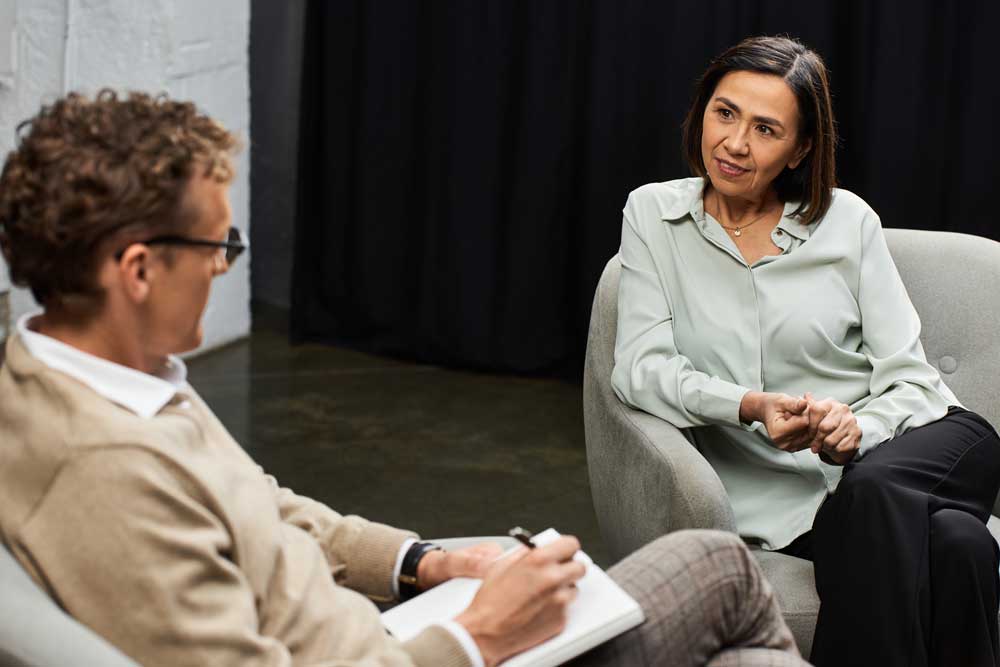
To address this, I adopted a multifaceted approach informed by evidence-based strategies. Initially, I sought professional help through my university’s counselling services, engaging in cognitive behavioural therapy (CBT) sessions. This involved weekly meetings where I learned to reframe negative thoughts, a technique supported by psychological literature as effective for anxiety management (Hofmann et al., 2012). Furthermore, I incorporated practical steps such as establishing a structured daily routine, including mindfulness exercises drawn from apps recommended by the NHS, which helped in building emotional regulation. Academically, I reached out to tutors for extensions and feedback, fostering a support network that alleviated isolation. Additionally, I joined online peer support groups for Education students, which provided communal encouragement and shared experiences. These actions were gradual; for instance, starting with short journaling sessions evolved into more comprehensive goal-setting, allowing me to track progress. Over time, typically within six months, these steps reduced my anxiety symptoms, enabling me to achieve a 2:2 grade average by the end of the year. This process demonstrated my ability to identify key problem aspects and draw on resources, aligning with problem-solving models in educational psychology (Zimmerman, 2000).
Impact on Personal Growth
Overcoming this challenge profoundly influenced my personal development, enhancing resilience and empathy—core attributes for an aspiring educator. Psychologically, it aligned with Ryff’s model of well-being, promoting autonomy and purpose through self-directed recovery (Ryff, 1989). For example, I gained a deeper understanding of mental health barriers in learning, which inspired my dissertation on inclusive education for neurodiverse students. This experience also broadened my perspective, encouraging a critical evaluation of societal views on mental health, moving beyond individualistic blame to systemic factors like pandemic policies. However, it revealed limitations, such as the need for ongoing self-care to prevent relapse. Overall, this growth has made me more adaptable, transforming a vulnerability into a strength that informs my scholarship pursuits in Education.
Conclusion
In summary, the anxiety induced by university transition amid the pandemic represented my greatest challenge, overcome through therapy, routine-building, and support networks. This journey not only restored my academic standing but also catalysed personal growth, fostering resilience and empathy essential for educational scholarship. The implications extend to advocating for better mental health resources in academia, underscoring that challenges, when addressed proactively, can lead to meaningful development. As I apply for scholarships, this experience reinforces my commitment to inclusive practices, highlighting the transformative potential of adversity.
References
- Hofmann, S.G., Asnaani, A., Vonk, I.J.J., Sawyer, A.T. and Fang, A. (2012) The efficacy of cognitive behavioral therapy: A review of meta-analyses. Cognitive Therapy and Research, 36(5), pp.427-440.
- Husky, M.M., Kovess-Masfety, V. and Swendsen, J.D. (2020) Stress and anxiety among university students during the COVID-19 pandemic. European Child & Adolescent Psychiatry, 29(6), pp.727-728. Available at: https://doi.org/10.1007/s00787-020-01593-1.
- Keyes, C.L.M. (2002) The mental health continuum: From languishing to flourishing in life. Journal of Health and Social Behavior, 43(2), pp.207-222.
- Ryff, C.D. (1989) Happiness is everything, or is it? Explorations on the meaning of psychological well-being. Journal of Personality and Social Psychology, 57(6), pp.1069-1081.
- Zimmerman, B.J. (2000) Attaining self-regulation: A social cognitive perspective. In: M. Boekaerts, P.R. Pintrich and M. Zeidner (eds.) Handbook of Self-Regulation. San Diego: Academic Press, pp.13-39.

