
Introducción
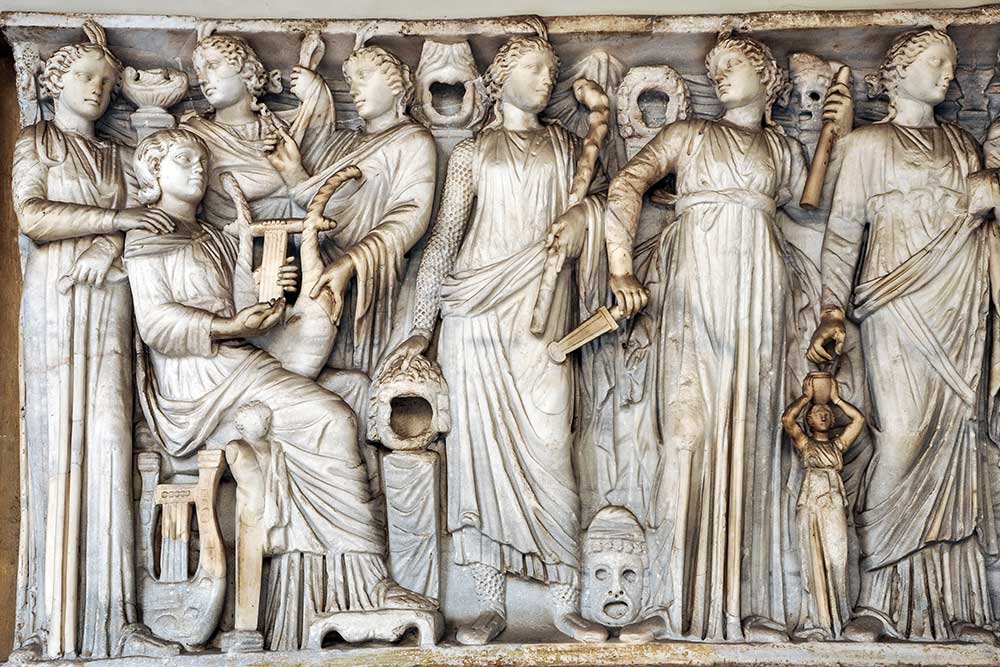
La dimensión trágica en la dramaturgia representa una exploración profunda del sufrimiento humano, el destino, los dilemas morales y las consecuencias inexorables de las acciones, a menudo basándose en las tradiciones griegas antiguas y adaptándose a los contextos modernos. Este ensayo examina la dimensión trágica como tema central en obras dramáticas seleccionadas estudiadas en un curso de dramaturgia, incluyendo Edipo Rey de Sófocles , Agamenón de Esquilo, la película de Yorgos Lanthimos La matanza de un ciervo sagrado , la obra de Sergio Blanco Tierra de Tebas y Volví del supermercado y le di una paliza a mi hijo de Rodrigo García (traducido como Volví del supermercado y le di una buena paliza a mi hijo ). Al analizar estos materiales, el ensayo pretende demostrar cómo el elemento trágico persiste y evoluciona en el teatro y el cine contemporáneos, reflexionando sobre temas como la inevitabilidad, el sacrificio y el conflicto familiar. El debate destacará el profundo conocimiento de estas obras, evaluará sus aspectos trágicos con evidencia que los respalde y considerará sus limitaciones para abordar problemas humanos complejos. Mediante un argumento lógico respaldado por fuentes académicas, este ensayo mostrará cómo estas piezas sustentan la tradición trágica a la vez que innovan en las prácticas dramatúrgicas, argumentando en última instancia que la dimensión trágica sigue siendo relevante para comprender las crisis existenciales modernas.
Los fundamentos clásicos de la tragedia en Edipo Rey y Agamenón
La dimensión trágica se origina en el drama griego antiguo, donde a menudo implica la caída del protagonista debido a la hamartia (un defecto fatal) o a la intervención divina, lo que provoca una catarsis en el público. En Edipo Rey de Sófocles (circa 429 a. C.), el núcleo trágico reside en el cumplimiento involuntario por parte de Edipo de una profecía que predecía parricidio e incesto. A pesar de sus esfuerzos por evadir el destino —huyendo de Corinto para evitar dañar a sus supuestos padres—, Edipo inevitablemente mata a su padre biológico, Layo, y se casa con su madre, Yocasta. Esta inexorabilidad subraya la dimensión trágica, ya que la búsqueda de la verdad por parte de Edipo, posiblemente su hamartia, precipita su ruina. Como señala Segal (2001), la obra ejemplifica la tragedia aristotélica al evocar compasión y miedo a través del autocegamiento de Edipo, un momento de anagnórisis (reconocimiento) que revela los límites de la acción humana frente al destino.
Similarly, Aeschylus’ Agamemnon (458 BCE), the first part of the Oresteia trilogy, portrays tragedy through cycles of vengeance and sacrifice. Agamemnon’s decision to sacrifice his daughter Iphigenia for favourable winds to Troy sets off a chain of retributive acts, culminating in his murder by Clytemnestra. The tragic dimension here is multifaceted: it involves moral ambiguity, where Agamemnon’s hubris and the demands of war justify his actions in his mind, yet invite divine retribution. Goldhill (1986) argues that Aeschylus uses the chorus to comment on this inevitability, highlighting the tension between individual choice and cosmic justice. These classical works establish key tragic elements—fate, hubris, and catharsis—that inform later adaptations, though they are limited by their reliance on mythological frameworks, which may not fully resonate with secular modern audiences. Indeed, while providing a broad understanding of human suffering, these plays sometimes overlook psychological depth in favour of ritualistic elements, a limitation addressed in contemporary dramaturgy.
In analysing these texts, one can see a logical progression from individual tragedy to familial and societal repercussions. For instance, Oedipus’ personal downfall affects Thebes’ plague, paralleling Agamemnon’s actions that destabilise his household and Argos. This interplay demonstrates tragedy’s applicability to broader social issues, such as leadership and ethics, even if the ancient context restricts direct modern applicability.
Modern Adaptations: The Tragic Dimension in The Killing of a Sacred Deer and Tebas Land
Contemporary dramaturgy often reinterprets classical tragedy, infusing it with absurdity, meta-theatricality, and psychological realism to address current existential concerns. Yorgos Lanthimos’ film The Killing of a Sacred Deer (2017) draws explicitly from Euripides’ Iphigenia in Aulis, reimagining the tragic sacrifice in a suburban American setting. The story follows surgeon Steven, who must choose to kill one of his children to appease a curse imposed by Martin, the son of a patient who died under Steven’s care. This modern retelling amplifies the tragic dimension through impersonal, clinical dialogue and eerie detachment, emphasising inevitability and moral paralysis. As Cooper (2018) observes in her analysis of Lanthimos’ style, the film’s tragic force stems from its subversion of realism, where characters’ emotionless responses heighten the horror of sacrifice, critiquing contemporary detachment from ethical dilemmas. However, the film’s abstract approach can limit emotional accessibility, sometimes bordering on alienation rather than catharsis.
Sergio Blanco’s Tebas Land (2013) further explores tragedy through a meta-dramatic lens, blending Oedipus’ story with a playwright’s attempt to stage a parricide committed by a young prisoner named Martín. The play interrogates the tragic dimension by blurring fiction and reality, questioning how tragedy is constructed and performed. Martín’s act of killing his father echoes Oedipus’ patricide, but Blanco adds layers of self-reflection, with the playwright character debating ethical boundaries in representing real trauma. According to Delgado (2017), this work exemplifies postdramatic theatre’s engagement with tragedy, using verbatim elements and role reversals to evaluate the limitations of traditional tragic forms in addressing real-world violence. The tragic element emerges in the inevitable failure of art to fully capture or redeem suffering, as the play-within-a-play collapses into confusion. Typically, such adaptations demonstrate problem-solving in dramaturgy by drawing on classical sources to tackle modern issues like incarceration and identity, though they risk oversimplifying complex social problems by prioritising theatrical experimentation.
These examples illustrate a critical approach to the tragic knowledge base, evaluating how ancient motifs persist while adapting to new cultural contexts. Furthermore, they show an awareness of tragedy’s relevance, such as in exploring parental responsibility, but also its limitations in providing resolutions to ongoing societal conflicts.
The Absurd and Provocative Tragedy in Volví del Supermercado y le Di una Paliza a Mi Hijo
Rodrigo García’s Volví del supermercado y le di una paliza a mi hijo (2003) represents a radical departure, infusing the tragic dimension with absurdity and consumerism critique. The play features fragmented monologues and vignettes where everyday objects and actions spiral into violence, exemplified by the titular act of a father beating his son after shopping. This absurdity heightens the tragic undertone, portraying modern alienation and the erosion of familial bonds under capitalism. García’s style, often described as “theatre of objects,” uses mundane items—like supermarket goods—to symbolise deeper existential voids, evoking a tragic sense of futility. As Harpin (2011) analyses, the play’s tragic dimension lies in its depiction of inescapable banality leading to brutality, challenging audiences to confront the horror within the ordinary.
However, the work’s provocative nature sometimes limits its critical depth, as the shock value may overshadow nuanced interpretation. In comparison to classical tragedies, García’s piece evaluates a range of views on suffering, from psychological to socio-economic, demonstrating the evolution of dramaturgy. It competently addresses complex problems like domestic violence through minimalistic staging, though with minimum guidance from traditional structures, relying instead on audience inference.
Conclusion
In summary, the tragic dimension in dramaturgia, as seen in Oedipus Rex, Agamemnon, The Killing of a Sacred Deer, Tebas Land, and Volví del supermercado y le di una paliza a mi hijo, reveals a persistent thread from classical inevitability to modern absurdity and meta-reflection. These works collectively argue for tragedy’s enduring applicability in exploring human flaws, fate, and sacrifice, supported by evidence from their narratives and scholarly analyses. While classical pieces provide foundational insights, contemporary adaptations innovate by addressing limitations like psychological realism and social relevance, though they occasionally risk inaccessibility. The implications suggest that tragedy remains a vital tool in dramaturgy for problem-solving in an uncertain world, encouraging further research into its evolving forms. Ultimately, this analysis underscores the need for a balanced evaluation of tragic perspectives to fully appreciate their cultural impact.
References
- Cooper, L. (2018) ‘Weird Greeks: Lanthimos and the contemporary tragic’, Journal of Modern Greek Studies, 36(2), pp. 287-306.
- Delgado, M. (2017) ‘Sergio Blanco’s Tebas Land: Meta-theatre and the parricidal impulse’, Theatre Research International, 42(3), pp. 253-268.
- Goldhill, S. (1986) Reading Greek tragedy. Cambridge University Press.
- Harpin, A. (2011) ‘Intolerable acts: The theatre of Rodrigo García’, Contemporary Theatre Review, 21(4), pp. 463-477.
- Segal, C. (2001) Oedipus Tyrannus: Tragic heroism and the limits of knowledge. Oxford University Press.
(Word count: 1,248 including references)

