
Introduction
The role of a construction manager is pivotal in ensuring the successful delivery of building projects, from inception to completion. A construction manager oversees the planning, coordination, and execution of construction activities, acting as the central point of accountability for time, cost, and quality (CIOB, 2014). They are responsible for managing resources, mitigating risks, and facilitating communication among stakeholders. In the context of modern projects, construction management is increasingly significant due to the complexity of designs, stringent regulations, and the need for sustainable practices. Effective management ensures that projects are delivered safely, on time, and within budget, while meeting client expectations. This report aims to explore how a construction manager would approach the conversion of an existing college library into large seminar rooms. By examining key responsibilities, ethical considerations, management techniques, communication strategies, and health and safety considerations, this essay will highlight the multifaceted role of a construction manager in a project of this nature. The discussion will focus on practical applications and challenges specific to renovating educational facilities, offering insight into the skills and methodologies required for success.
Key Responsibilities and Ethics of a Construction Manager
A construction manager’s primary responsibilities include project planning, resource allocation, and stakeholder coordination. In the context of converting a college library into seminar rooms, the manager must assess the structural feasibility of the existing building, ensuring that modifications align with architectural and functional requirements. This involves collaborating with architects and engineers to adapt spaces while preserving historical or aesthetic value, if applicable. Ethically, construction managers must adhere to professional codes, such as those outlined by the Chartered Institute of Building (CIOB), ensuring transparency, fairness, and accountability (CIOB, 2014). For instance, they must avoid conflicts of interest and prioritise the client’s needs without compromising safety or environmental standards. Indeed, balancing cost-saving measures with quality can pose ethical dilemmas, requiring sound judgment. A construction manager must also ensure compliance with building regulations and planning permissions, particularly in educational settings where usage and accessibility standards are stringent.
Management Techniques and Communication in Construction
Effective management techniques are essential for coordinating diverse teams and maintaining project momentum. Tools such as Gantt charts and Critical Path Method (CPM) enable construction managers to schedule tasks efficiently, ensuring that the library conversion progresses without delay. Communication, meanwhile, serves as the backbone of project success. Regular site meetings and digital platforms facilitate information sharing between contractors, designers, and college administrators. For example, a construction manager may use Building Information Modelling (BIM) to provide real-time updates on design alterations, fostering collaboration (Whyte, 2019). However, challenges such as miscommunication or unclear directives can arise, particularly in retrofit projects where unforeseen structural issues may emerge. Therefore, a construction manager must employ active listening and clarity in conveying instructions to mitigate such risks, ensuring that all parties remain aligned on project goals.
Health, Safety, and Risk Management in Construction Projects
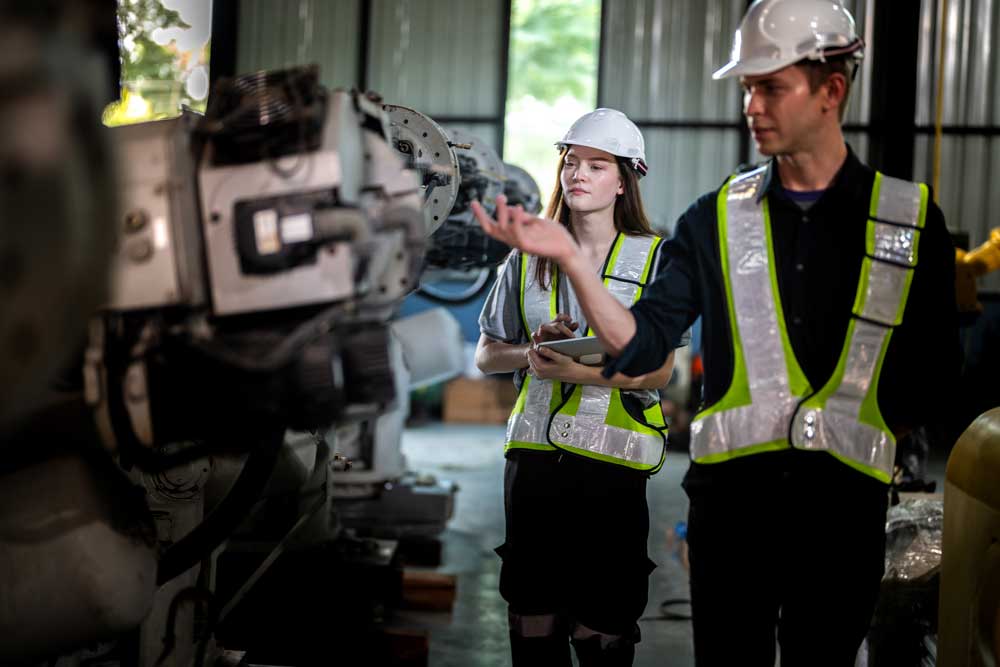
Health and safety are paramount in construction, governed by regulations such as the UK’s Health and Safety at Work Act 1974. In the library conversion, potential hazards include working at heights, handling heavy materials, and managing asbestos if the building is older. A construction manager must conduct risk assessments, implement control measures, and ensure that all workers are trained in safety protocols (HSE, 2020). Personal Protective Equipment (PPE) and site inductions are non-negotiable to prevent accidents. Furthermore, risk management extends to project delays or budget overruns, which can be mitigated through contingency planning. Generally, a proactive approach—anticipating issues before they arise—distinguishes a competent construction manager in maintaining a safe and efficient site.
Conclusion
In summary, the role of a construction manager in converting a college library into seminar rooms encompasses a broad spectrum of responsibilities, from ethical decision-making to ensuring safety and effective communication. By employing robust management techniques and adhering to health and safety regulations, the construction manager ensures that the project meets its objectives while navigating inherent challenges. This report underscores the importance of adaptability and foresight in managing retrofit projects within educational environments. The implications of these findings suggest that construction managers must continuously update their skills, particularly in digital tools and sustainability practices, to address the evolving demands of modern construction. Ultimately, their role is integral to transforming spaces in a way that supports both functionality and safety.
References
- Chartered Institute of Building (CIOB). (2014) Code of Practice for Project Management for Construction and Development. 5th ed. Wiley-Blackwell.
- Health and Safety Executive (HSE). (2020) Construction Health and Safety Guidance. HSE Books.
- Whyte, J. (2019) ‘How digital information transforms project delivery models’, International Journal of Project Management, 37(2), pp. 239-251.

